Bought direct

The producers

We buy direct from the people who make the wine. These are the houses behind every bottle we carry, from a restored royal estate in Kartli to families working a handful of qvevri in Kakheti.

Imereti & Kakheti

Binekhi

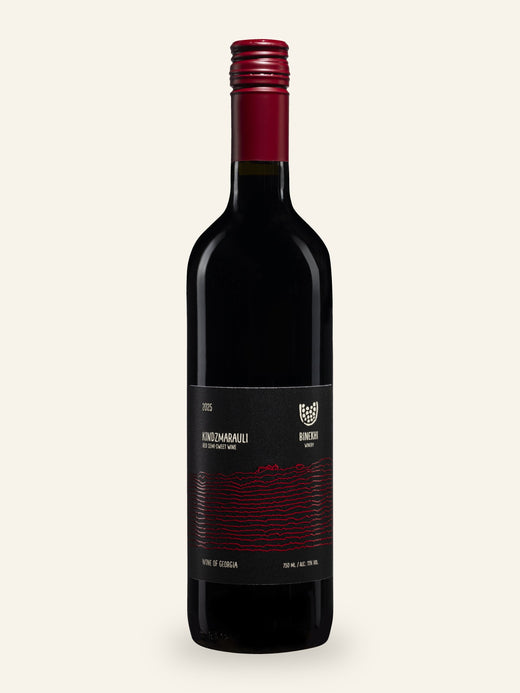
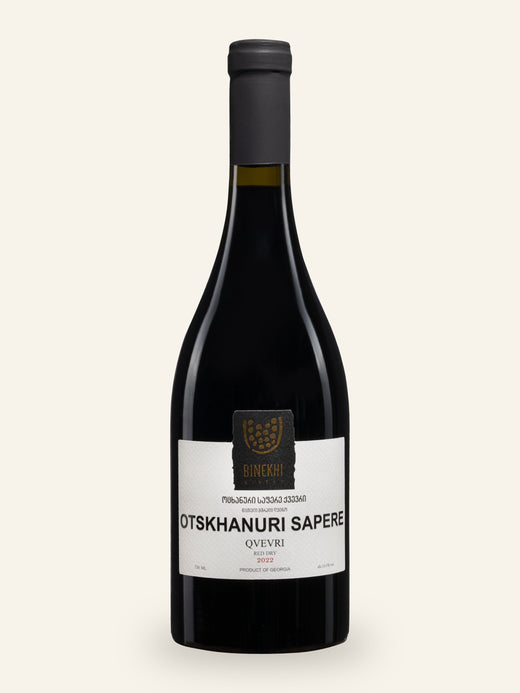
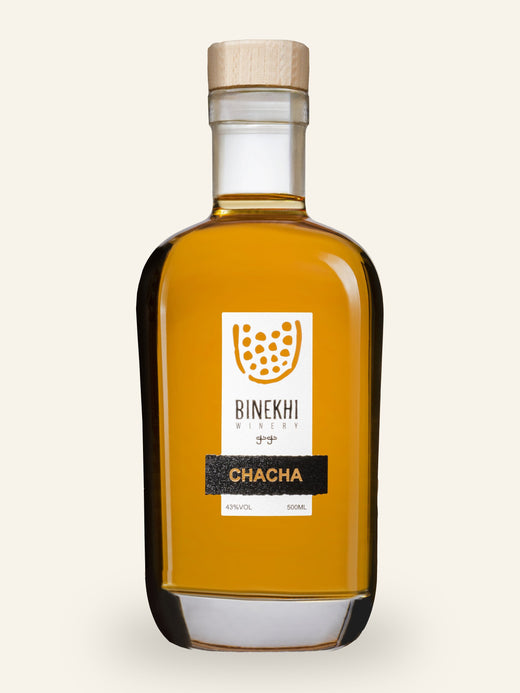
Binekhi was founded by Givi Gigineishvili in the 1990s and now makes around 300,000 bottles a year under head winemaker Bachana Khalvashi. What marks them out is that they work in qvevri across all three of Georgia’s qvevri traditions, Kakheti, Kartli and Imereti. Most houses stay inside one.

That spread is why we carry so many of them. Krakhuna and Tsitska come from Imereti in the green west, where the wines are lighter and higher in acid than those from the east, and the Otskhanuri Sapere is a red with a bite to it that has no real parallel in western Europe. Alongside those they make Kindzmarauli and Ojaleshi, a pét-nat in both white and rosé, and chacha, the Georgian grape spirit, plain and oak-aged. It is an unusually wide range for a house this size and it holds together better than it has any right to.

8 wines from Binekhi

Kakheti

Buera

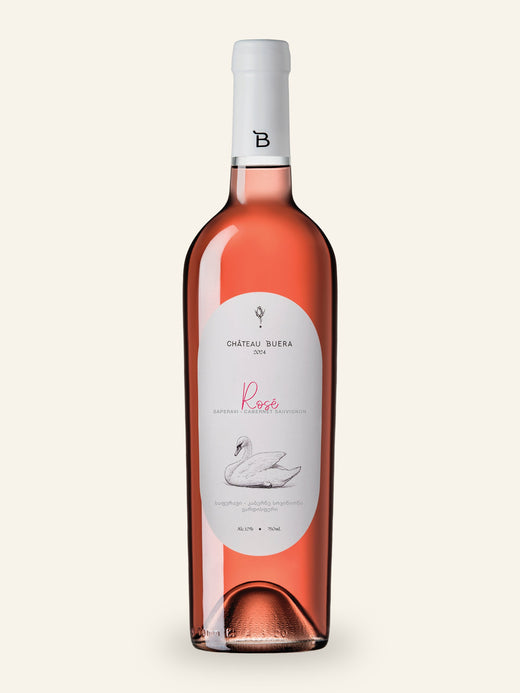
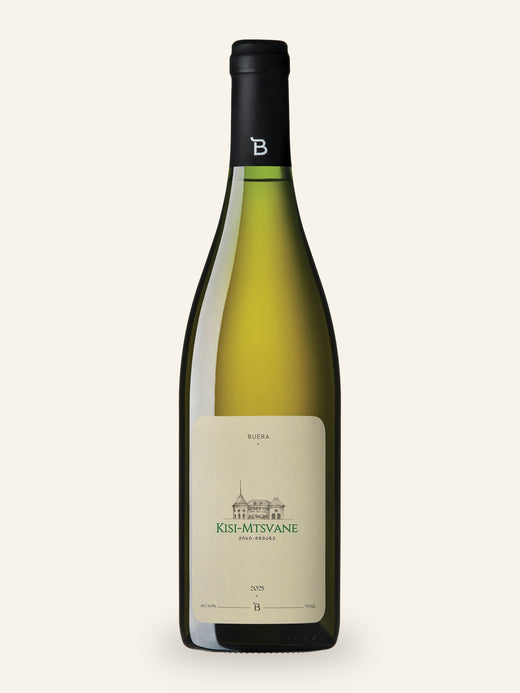
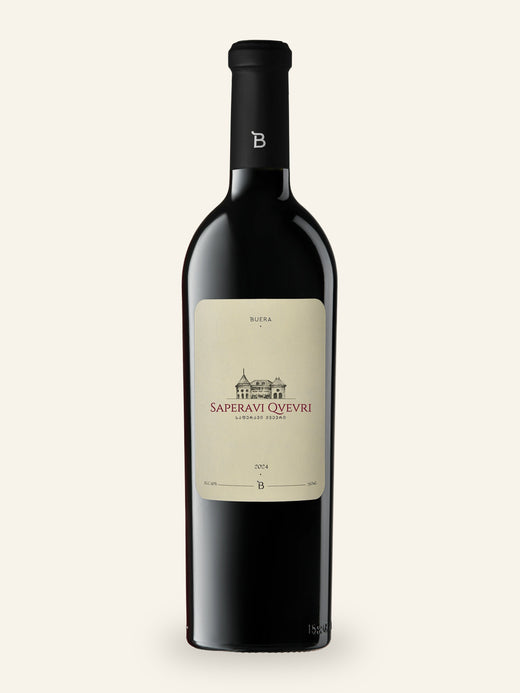
Château Buera is the youngest house we carry. It was built in 2018 at Napareuli, in the Lopota valley in eastern Kakheti, by Goga Maisuradze, the man behind the Lopota resort further up the same valley. His family run it now. The white château with the conical roofs is the building engraved on their labels.

Five hectares on alluvial, stony soil at around 450 metres, picked by hand and sorted on a vibrating table before anything is crushed. The whites and the rosé go into steel with no skin contact, so they stay fresh and citrus-driven. The Saperavi goes the other way entirely: three weeks on skins in qvevri, then six months in the same vessel. Tasting the Kisi-Mtsvane next to the Saperavi Qvevri tells you most of what you need to know about Georgian winemaking.

4 wines from Buera

Kartli

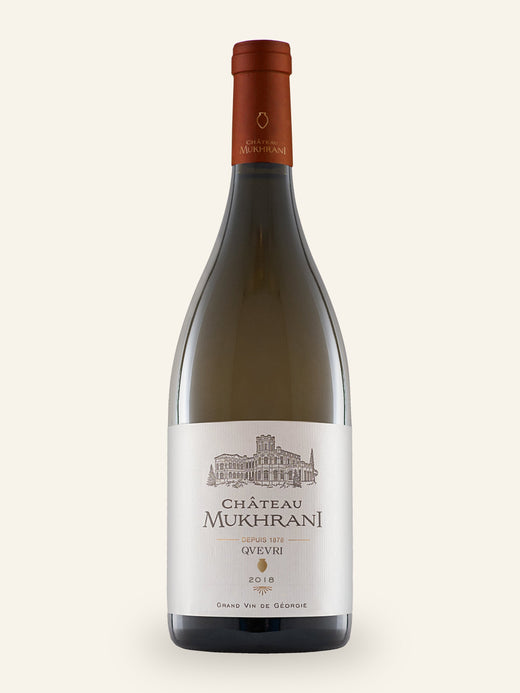
Château Mukhrani

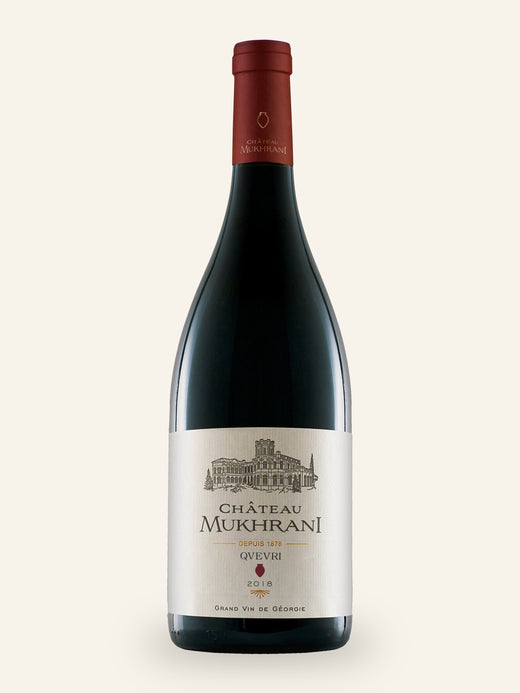
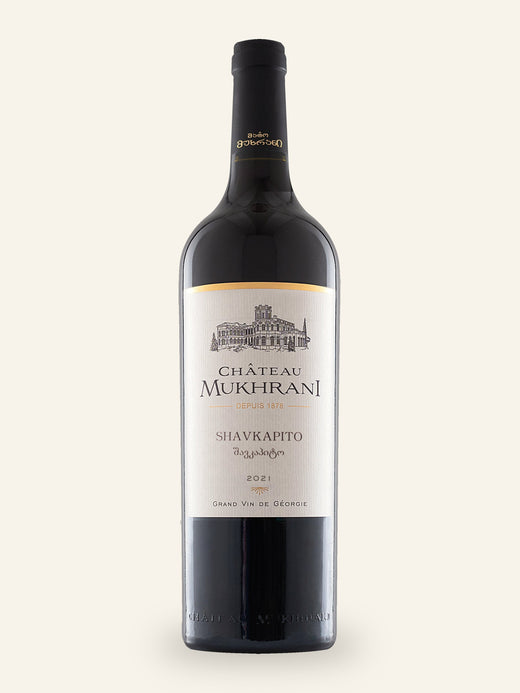
Château Mukhrani was founded in 1878 by Prince Ivane Mukhranbatoni of the Bagrationi royal house, who had seen Bordeaux and wanted the same thing at home: vineyards, a working winery and a château on one estate. The building went up from 1885 to French designs and took twelve years, and he brought a gardener over from Versailles for the grounds. It lay dormant through the Soviet period, and restoration began in 2002.

Kartli sits higher and cooler than Kakheti, and the wines show it: tighter, more precise, more mineral. Their Goruli Mtsvane and Shavkapito are the clearest expression of what central Georgia can do, and the two Secret Collection bottlings are where the French half of the estate’s history shows, with Chardonnay in the white and Cabernet in the red.

7 wines from Château Mukhrani

Kakheti

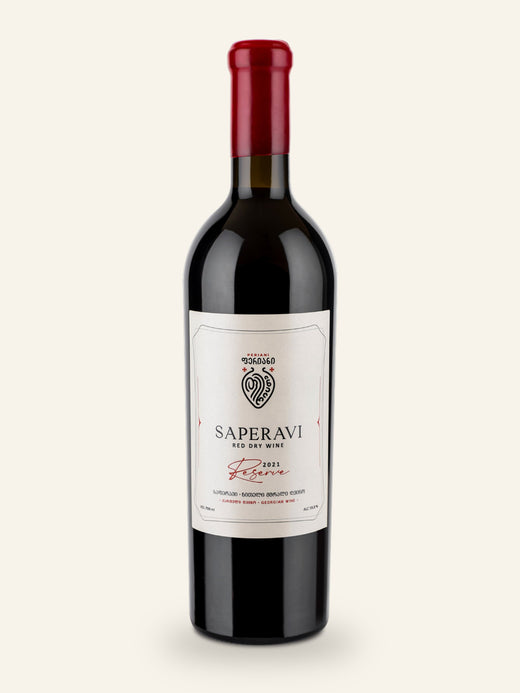
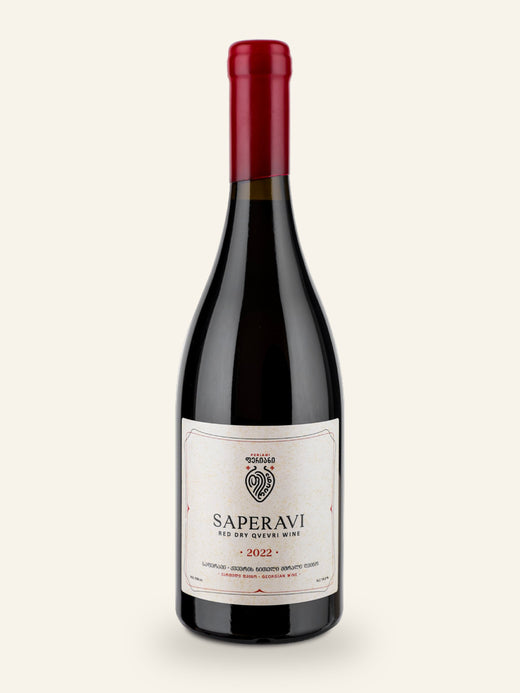
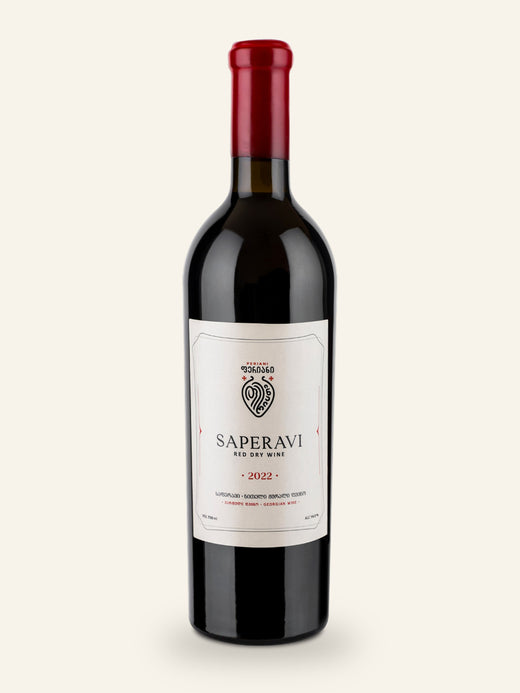
Periani

Periani was founded in 2003 at Vejini, out in the Alazani valley with the Caucasus on the horizon, and has grown from a family holding into an estate of 80 hectares. Qvevri sit alongside stainless steel in the same cellar. They take the environmental side seriously too: wastewater treatment, organic cultivation and renewable energy, on the argument that the Alazani basin is the asset.

They work with the Kakhetian classics, Saperavi, Khikhvi, Rkatsiteli and Mtsvane, plus rarer varieties the family is keeping alive, and they make deliberate choices about method rather than defaulting to one. Some wines see full qvevri fermentation with months on skins and stems, others go into steel to keep the fruit forward. Comparing their two Khikhvi bottlings side by side is the most instructive tasting in our range.

6 wines from Periani

Tbilisi

Sarajishvili

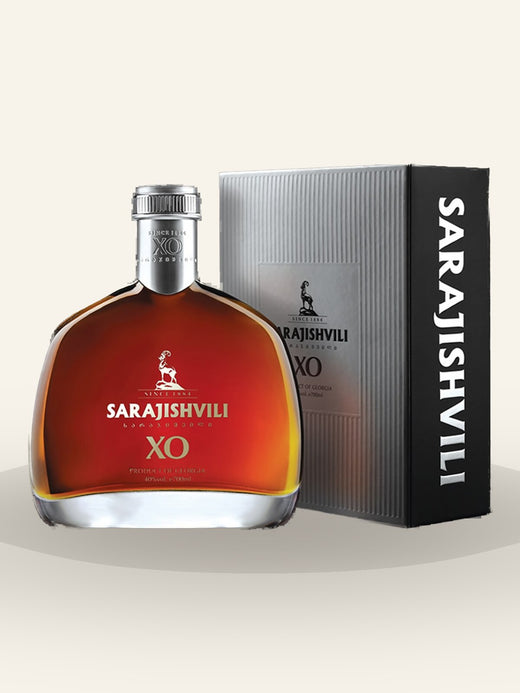
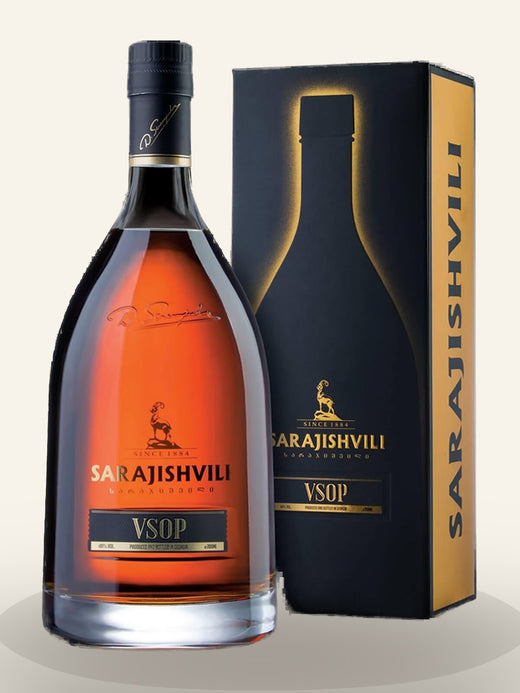
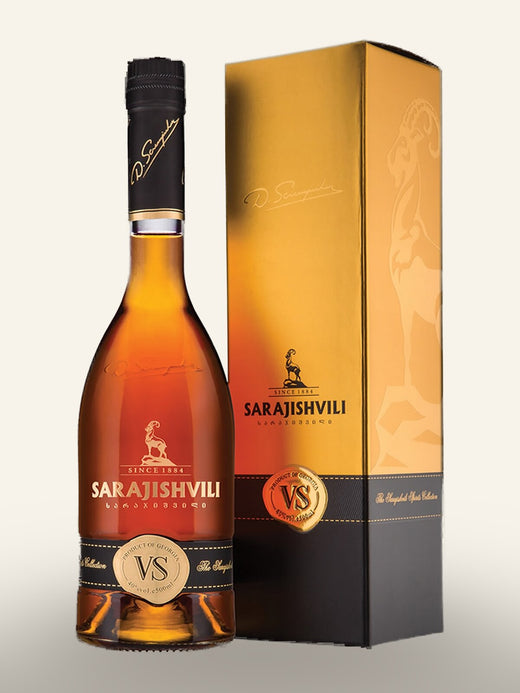
David Sarajishvili took a doctorate in chemistry at Heidelberg in 1871, then spent two years in France learning how cognac was actually made, partly from the winegrower Jean-Baptiste Camus. He came home and in 1884 built the first brandy distillery in Georgia. Gold medals at Paris, Brussels and Chicago followed between 1889 and 1912, and the house has distilled on the same principles ever since.

The range runs by age: three star, five star, VS, VSOP and XO, each longer in oak than the last. It remains the name Georgians reach for, and the XO is a serious after-dinner bottle by any standard.

7 wines from Sarajishvili

Rtveli, the Georgian harvest

We go, every year

Harvest at Château Mukhrani. Rtveli is the point in the Georgian year everything else is arranged around, and it is why we buy from people rather than from a list.

Read the journal